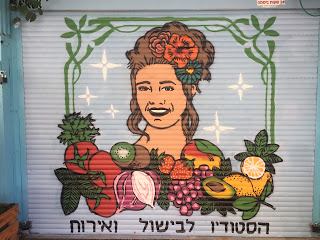
I think the best way to understand the diversity of the culture here in Israel is to learn about Israeli cuisine. Israeli cuisine adopted and adapted the cuisines of the Middle east, the Mediterranean, and Europe. One may define this as cultural appropriation, but I see it as a symbol of respect and a desire adhere to the farm to fork lifestyle. As such a young country their kitchen is constantly adapting to fit the demands of its changing populous and the environment around them.
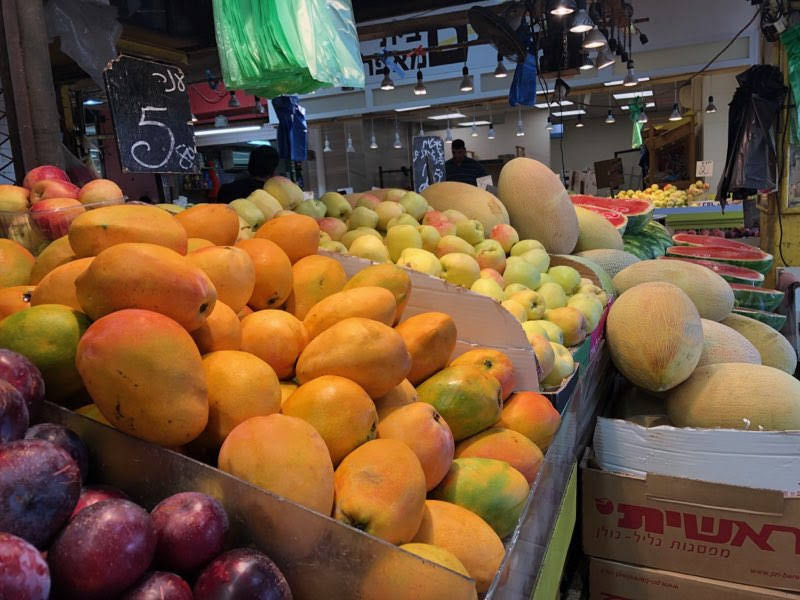
Geography plays a massive role in Israeli cuisine. It is a small country situated on land that is incredibly fruitful. You are getting fresh goods grown close to your backyard. There is little need for imported goods here. One of my favorite things about Israeli cuisine is that it is completely dependent on the seasons. They eat what is grown, when it grows. Not only is this an incredibly positive thing for the environment, but it also yields the best tasting fruits and vegetable. You simply cannot find crops out of season. I hear that Israel is known for its citrus, in fact Tel Aviv is often called “The Big Orange.” However, I have not seen this winter fruit once in any of the markets. I have however witnessed an abundance of summer fruits that are more colorful and tastier than ever.
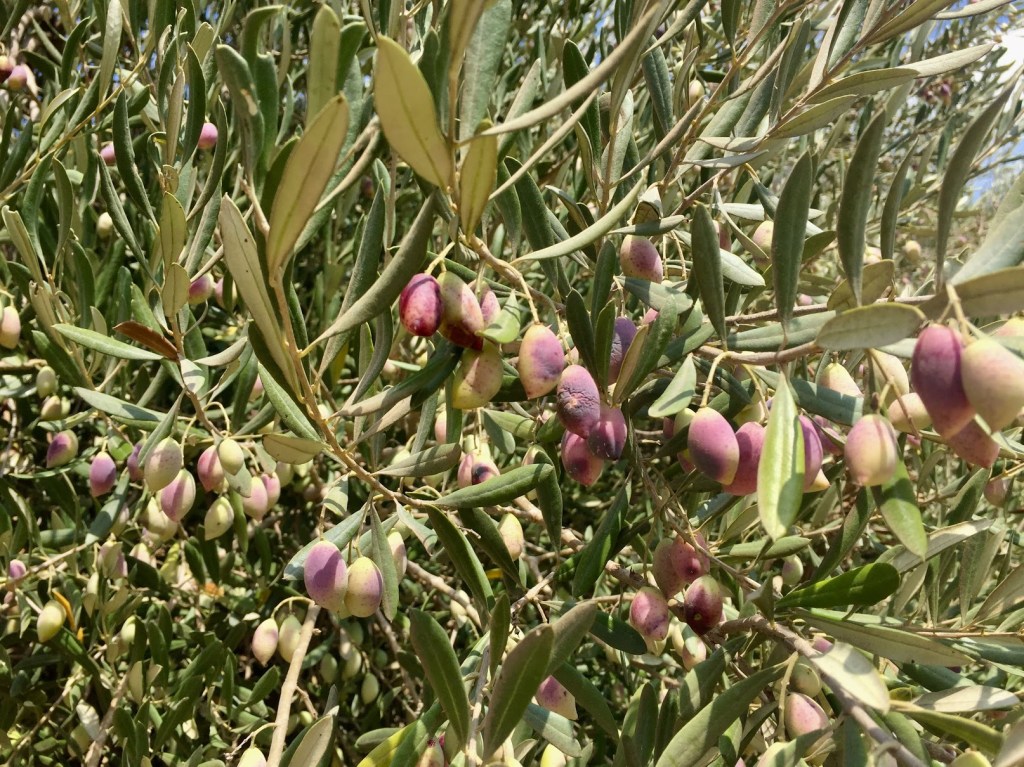
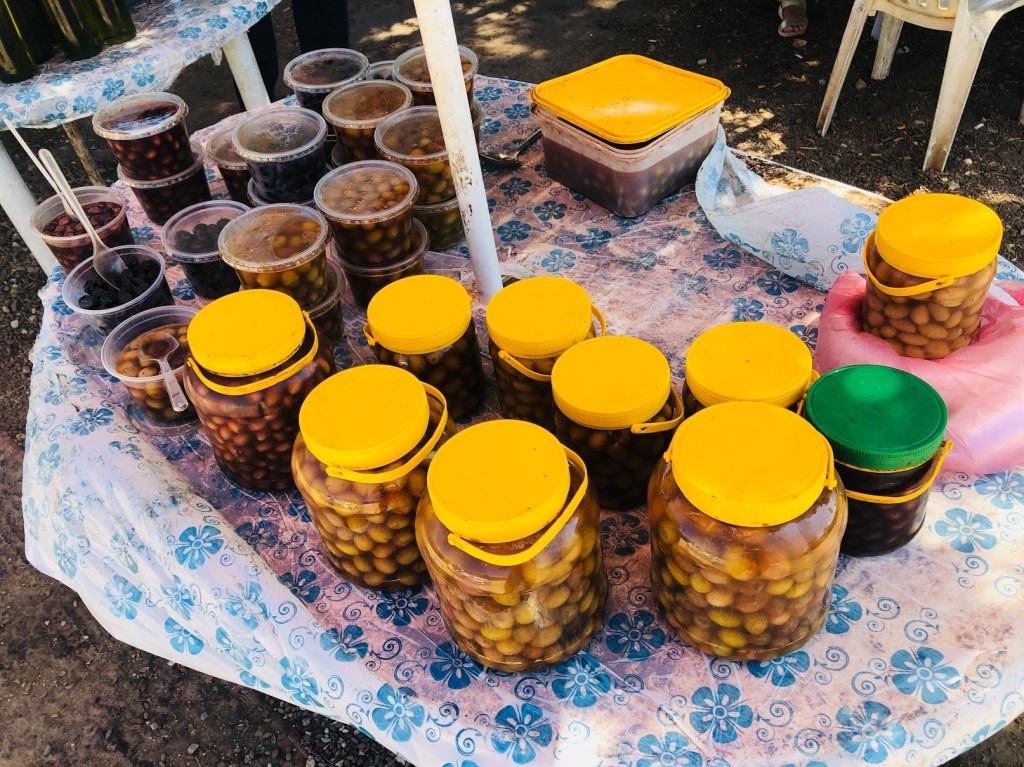
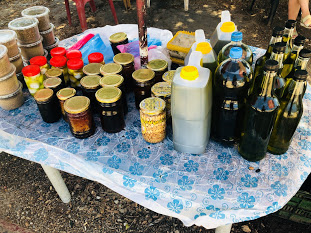
Here in Israel you cannot drive a kilometer without seeing an olive tree. Just south of Haifa, olive groves are far and wide and you can stop at little shacks to taste and buy olive oil grown and produced on the spot. We stopped at a tiny little olive shack just outside Daliyat Al-Carmel and bought our own delicious bottle. Well, we drove past it and then I made Josh turn around because we needed a little souvenir and a taste of fresh olive oil.
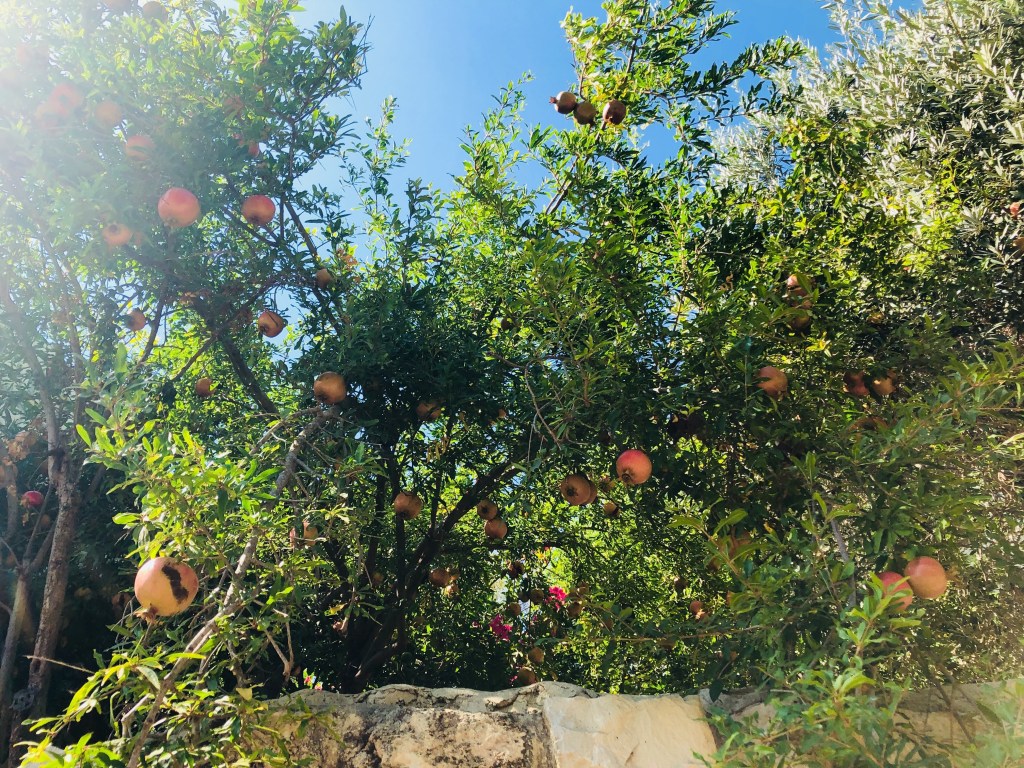
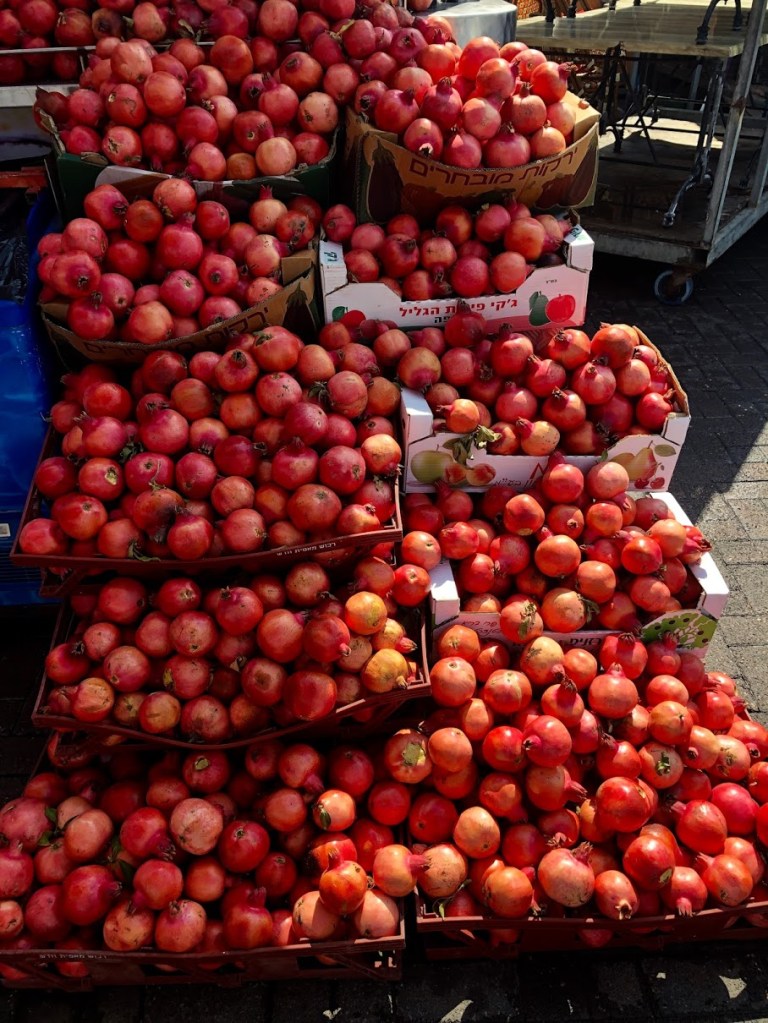
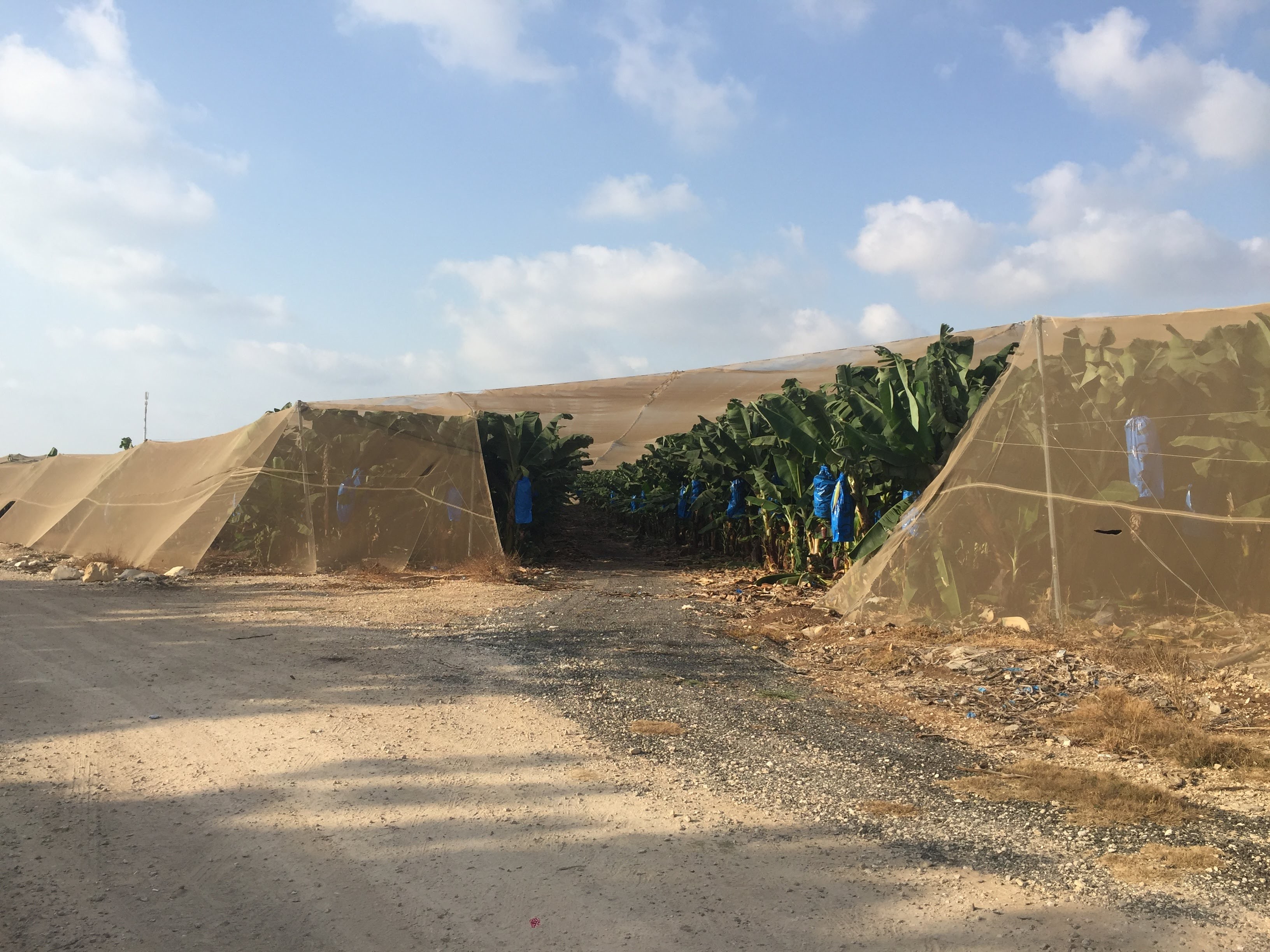
Pomegranate tree’s are everywhere, especially in the summer, and all of the markets sell fresh pomegranate juice. Stone fruits are in abundance, peaches, nectarines, plums, and some that I have never seen before. Dates here are also just better. Sold in every market and every supermarket in bulk. I even tried a fresh date, a more yellow, less wrinkly looking fruit on a stick. I can’t say I enjoyed it. I definitely recommend sticking to the dried version. There are also banana groves in Haifa that run for miles and produce a banana quite different from the ones at home. Smaller, a bit greener but delicious just in a different way.
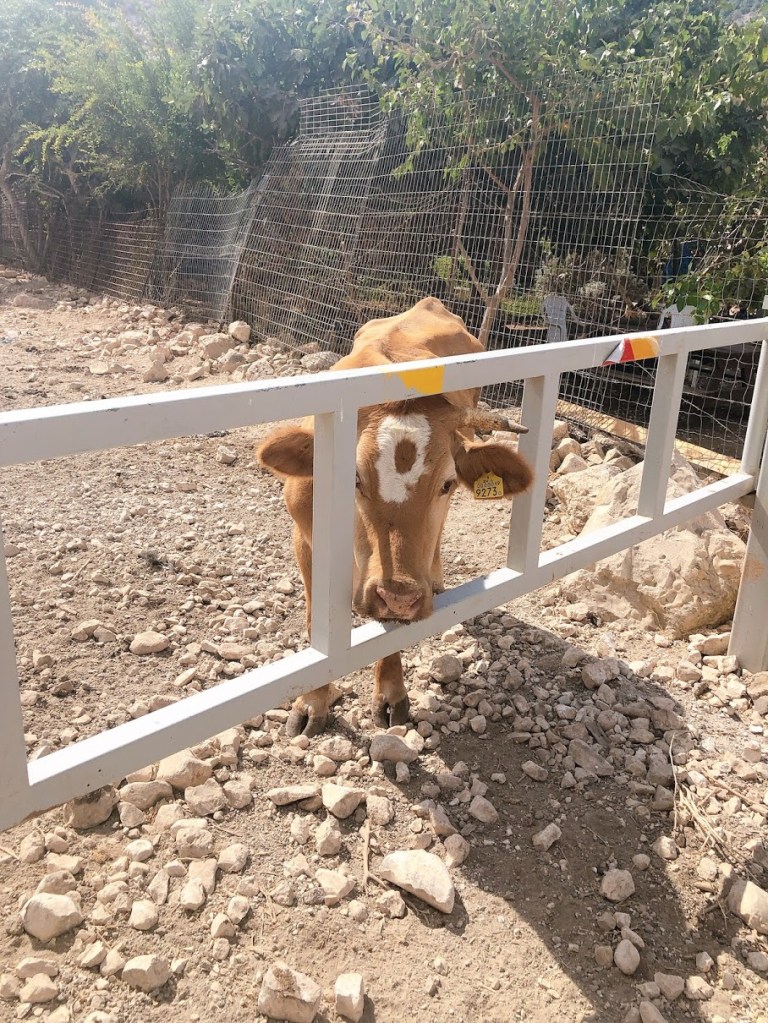
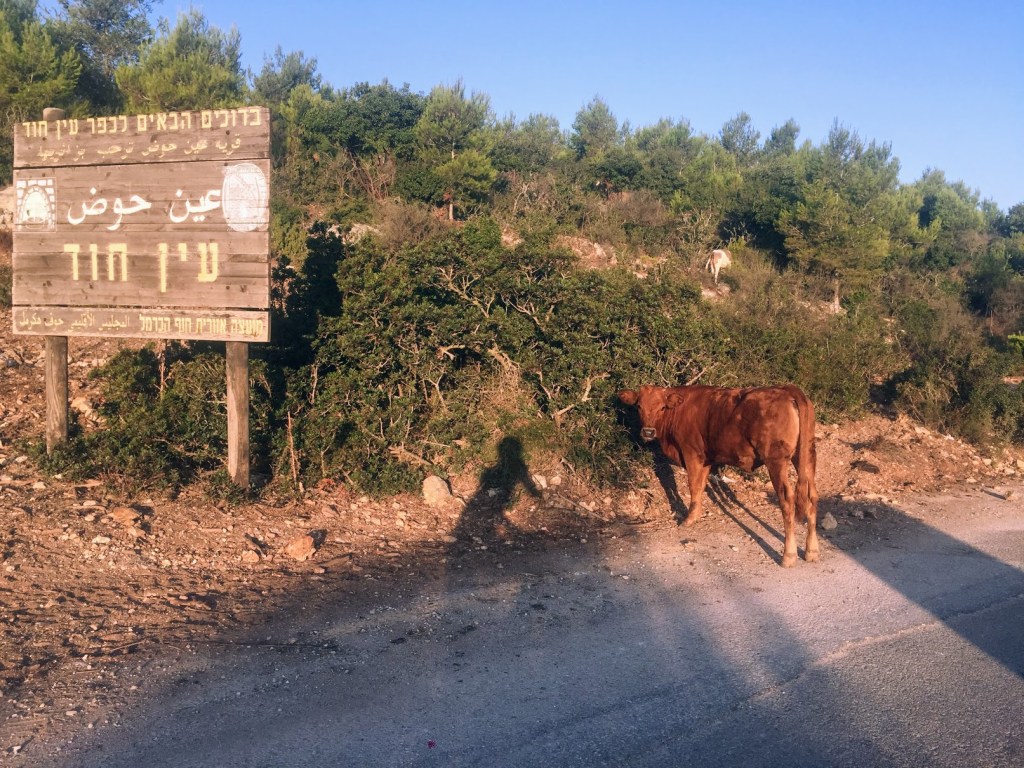
It is common to meet cows on my rides that live on pristine dairy farms, much different and not quite as stinky as the ones we drive by in California. Something about the cows here makes them look extremely cute. I don’t know exactly why they are cuter, but trust me they are pretty adorable and make for nice acquaintances on my rides.

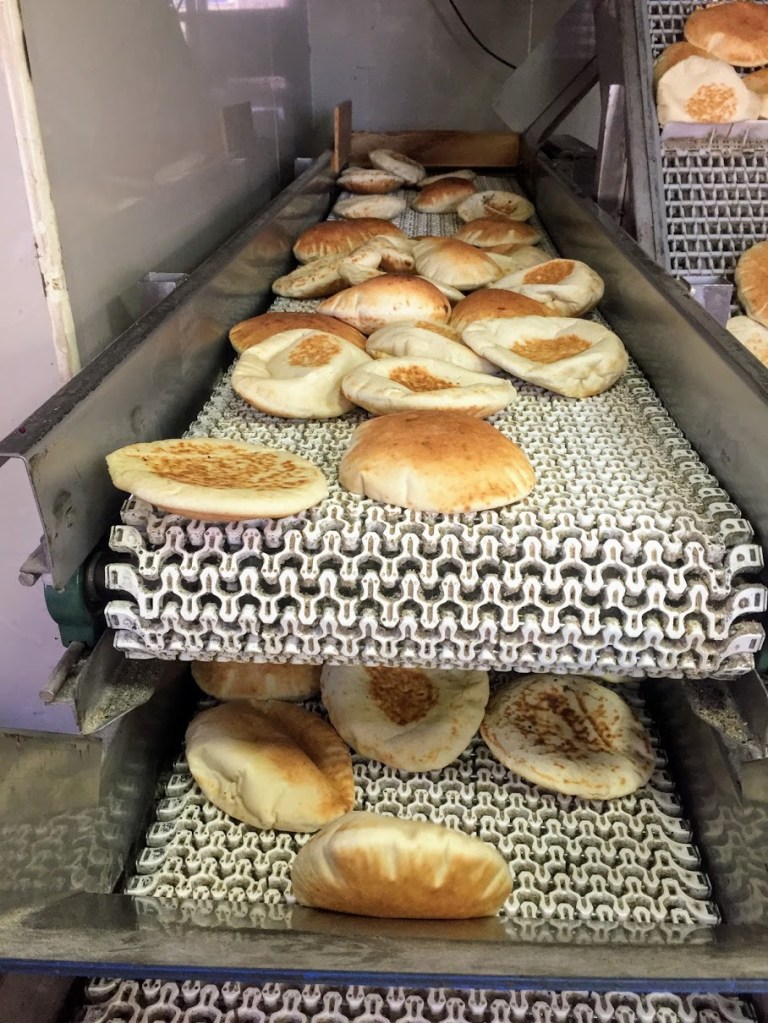
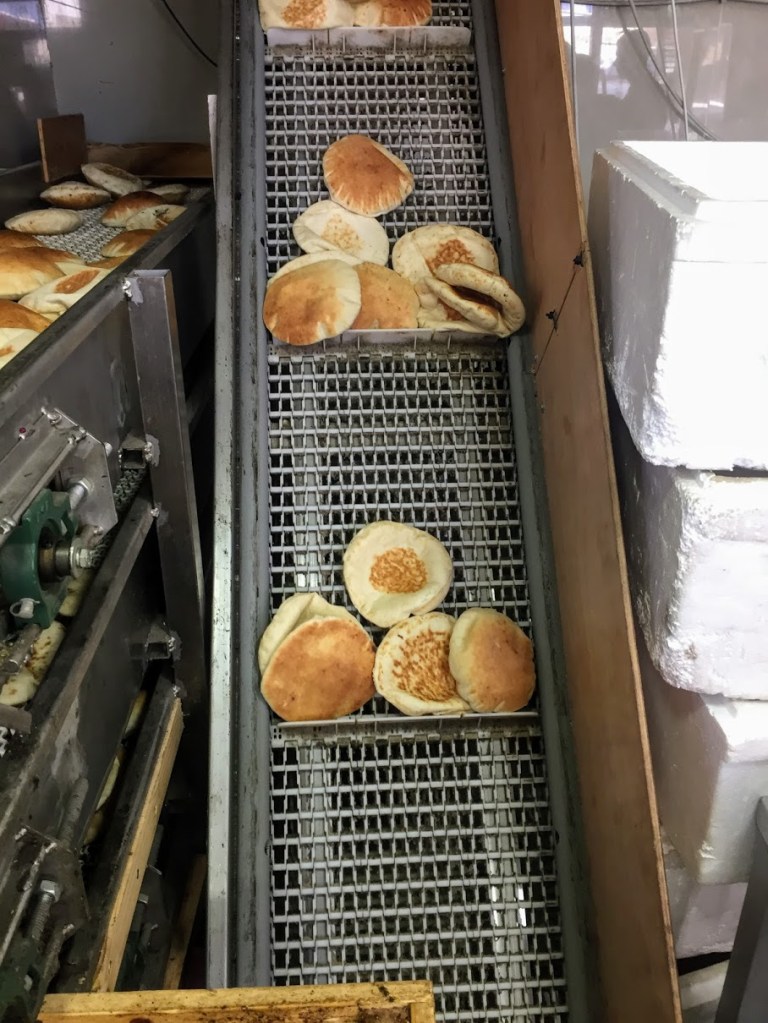
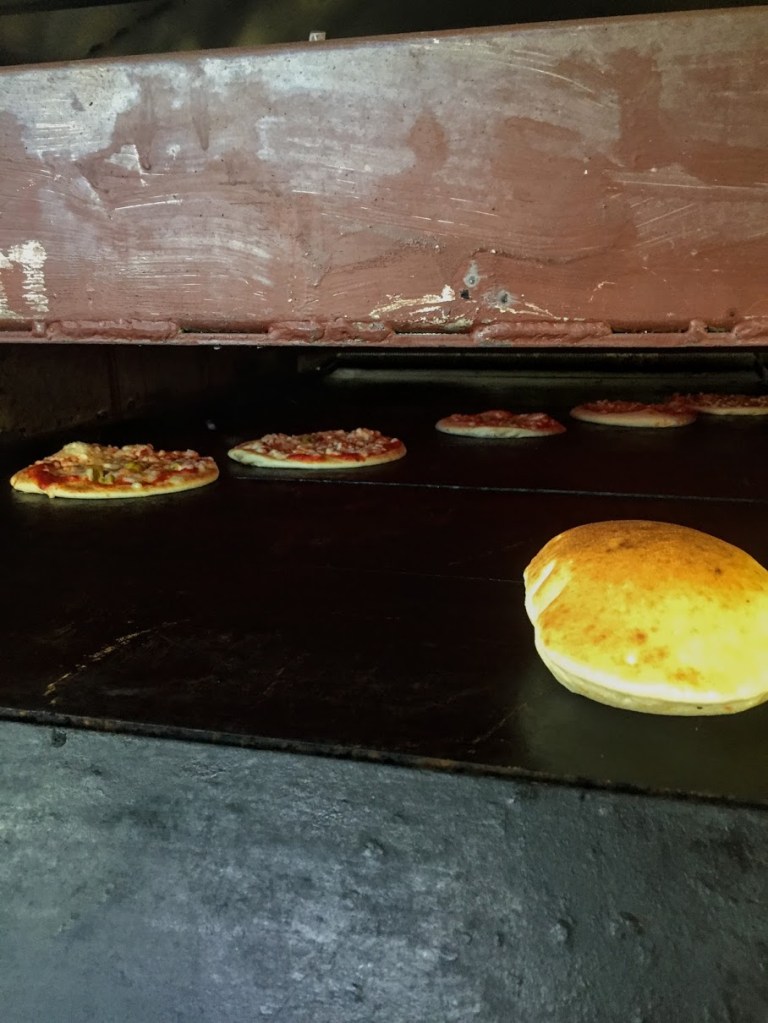
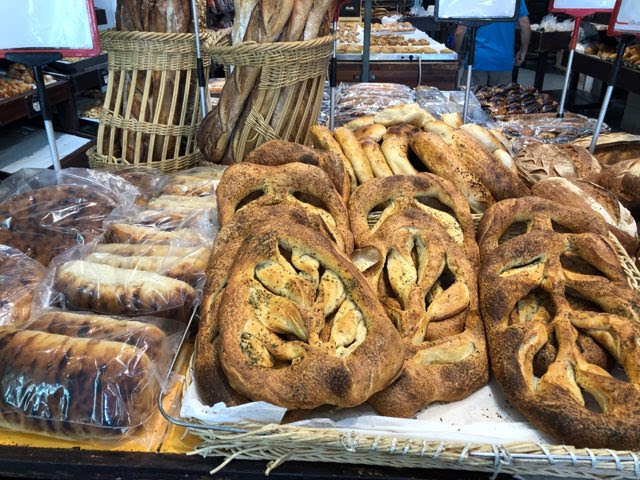
I can’t forget to mention the pita. Served at pretty much every meal and freshly baked at shops on every street. We experienced our first pita shop in the Arab sector, Wadi Nisnas, of Haifa the other day and it was unforgettable. An unassuming hole in the wall looking shop that even google maps does not recognize. As we walked by we could see the pita being made through the window and as we made our way to the door there was a line of men, women, and children trying to finagle their way to the front. Lines in Israel are apparently not really a thing. But anyways we made our way in and picked up a bag of warm pita that we watched fall off the line. We, of course, got yelled at by a man speaking Hebrew, but that was okay because we had no clue what he was saying and fresh pita was in our hands. Josh has taken pita bread to a whole new level. I have witnessed pita egg sandwiches, a pita pizza, and even a pita with peanut butter and jelly. A signature Josh creation that he named PB and JP.
Another magical staple of Israeli is tahini, or tahina. I am still not sure what it’s called. We have it in grocery stores at home. We sometimes use it to make hummus or salad dressings, but Israeli’s use this sesame seed butter like never before. And literally on everything. The tahini here of course just tastes better. Maybe that is because I am experiencing so much more than just the taste of grounded sesame seeds, but I am experiencing the culture. Regardless, tahini might be my new favorite sauce. We have had it with almost every meal here. Drizzled over cauliflower, underneath roasted eggplant and perfectly grilled meat, a dip for kabobs, and even in date energy bars and sweets. Not to mention in all of the hummus we have eaten. I should have kept a count of the number of hummus containers we have purchased. It is probably a scary number. The supermarkets here sell tahini like we sell peanut butter in America. About a million different options. Except they sell it in about three or four different locations around the store. I, of course, had to experiment and find the best one. I found my favorite so far, but I have about 20 others to try to be sure.
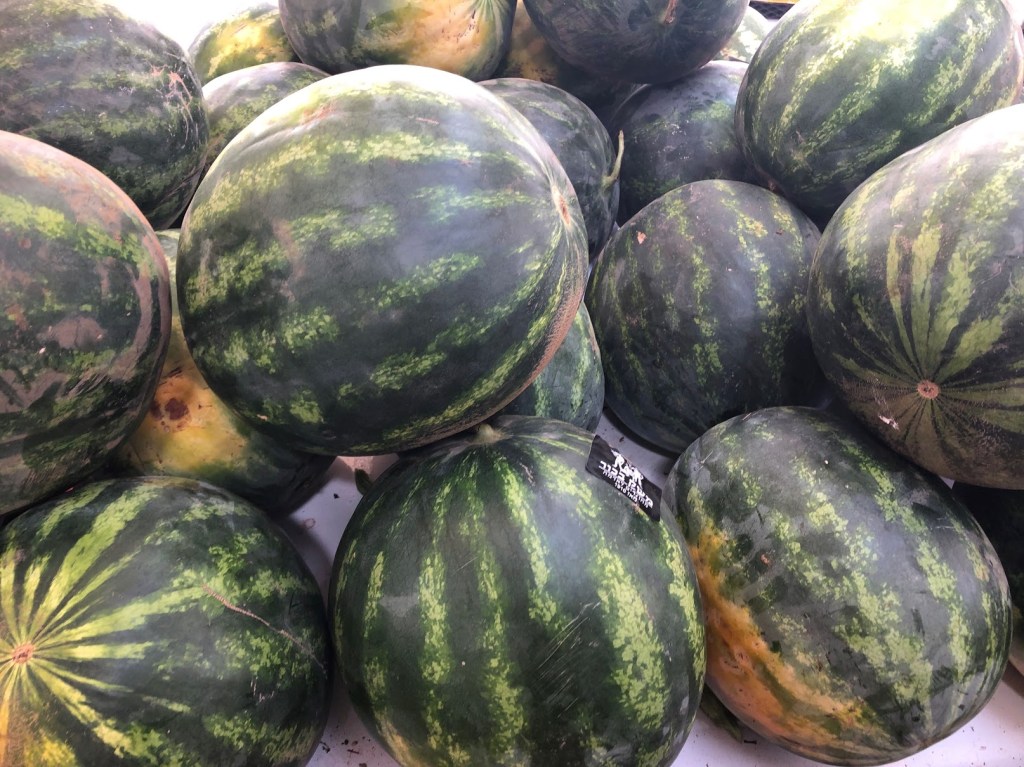
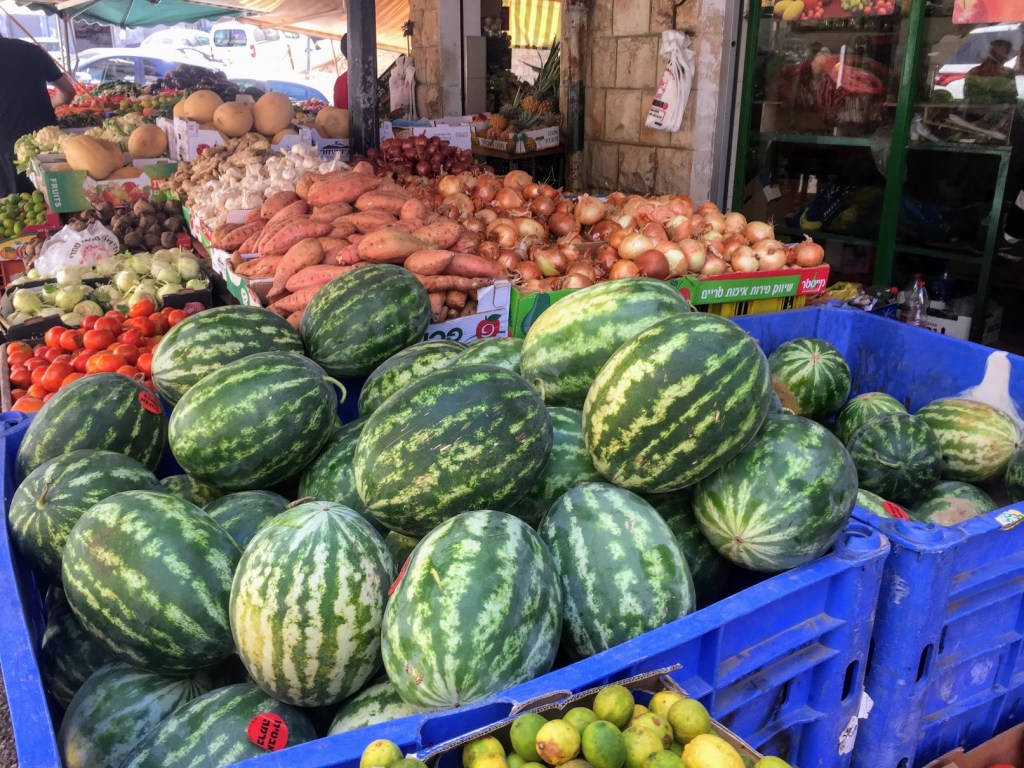
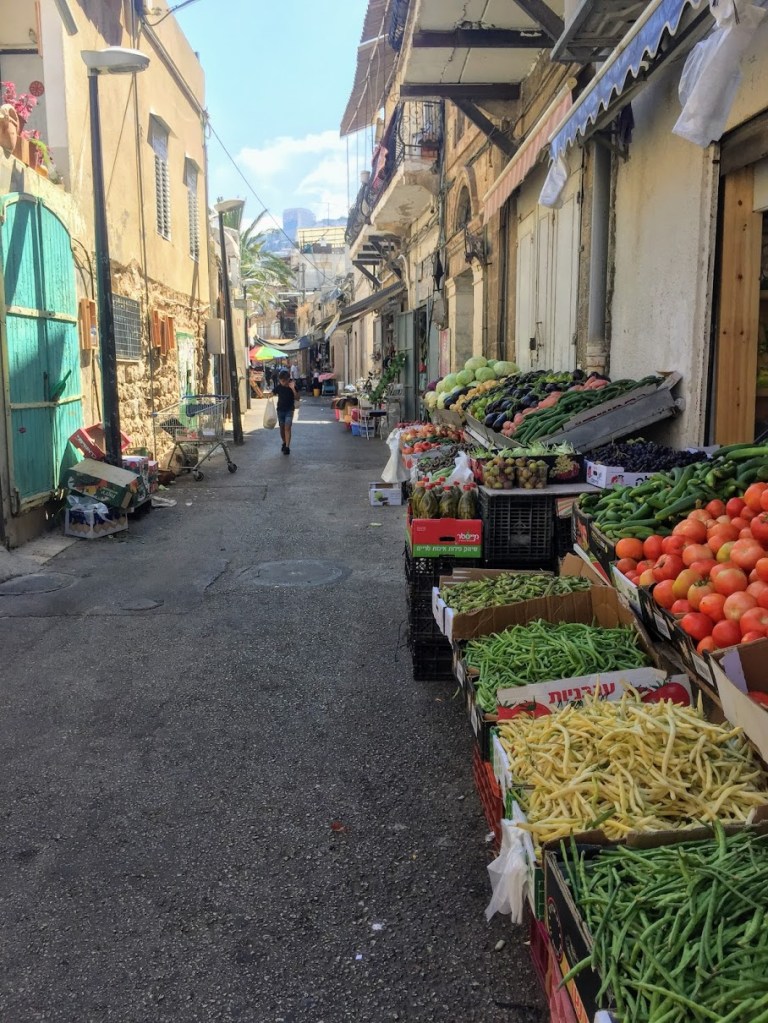
I have always been a fan of fresh fruit and vegetable markets and seek them out whenever I travel. I was pleasantly surprised that Israel has some great markets that rival many other places I have travelled. The shuk, which is the Hebrew word for market, is lined by vibrant colors of fresh fruit and vegetables that are incredibly bright and at the peak of freshness. These shuks are colorful, busy, a little overwhelming, definitely intimidating, exciting, and perfect in so many ways. I dragged Josh to the open air market in Haifa called Market Talpiot on one of my first days here. It was certainly intimidating beyond measure and I realized I need to learn my numbers in Hebrew immediately so that I could actually make a purchase. I also learned that it was hard to understand that the conversion between shekels to dollars isn’t 1:1 and I was not spending $10 U.S dollars on a watermelon, regardless of how good it is. That leads me to watermelon. Yes, I have turned into a watermelon. They are amazing here and I cannot stop eating them. I will leave it at that.
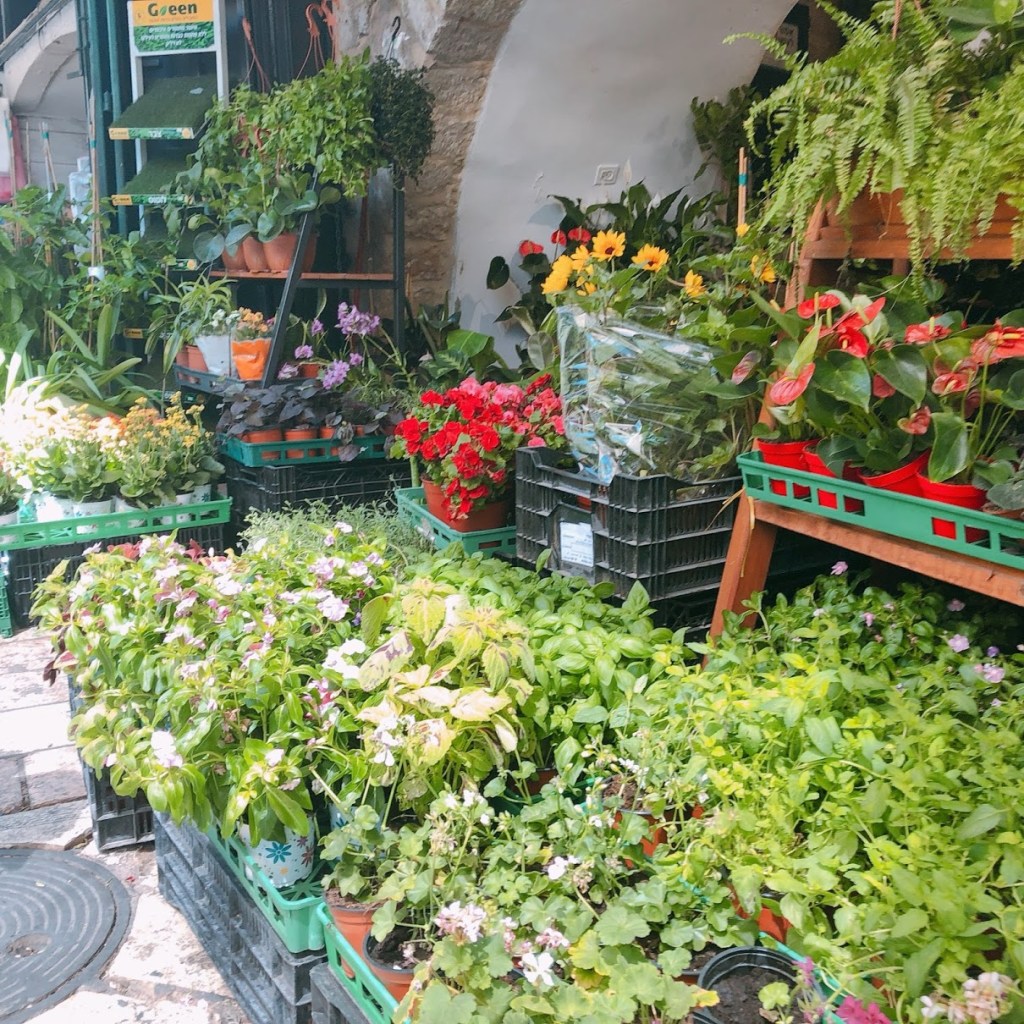
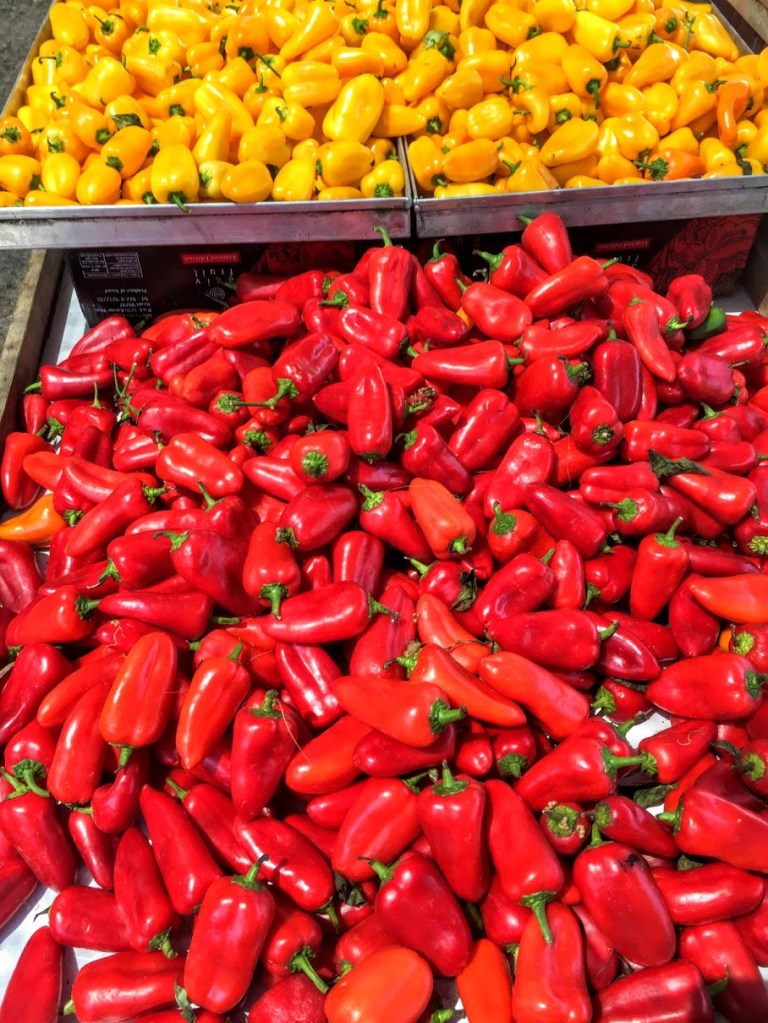
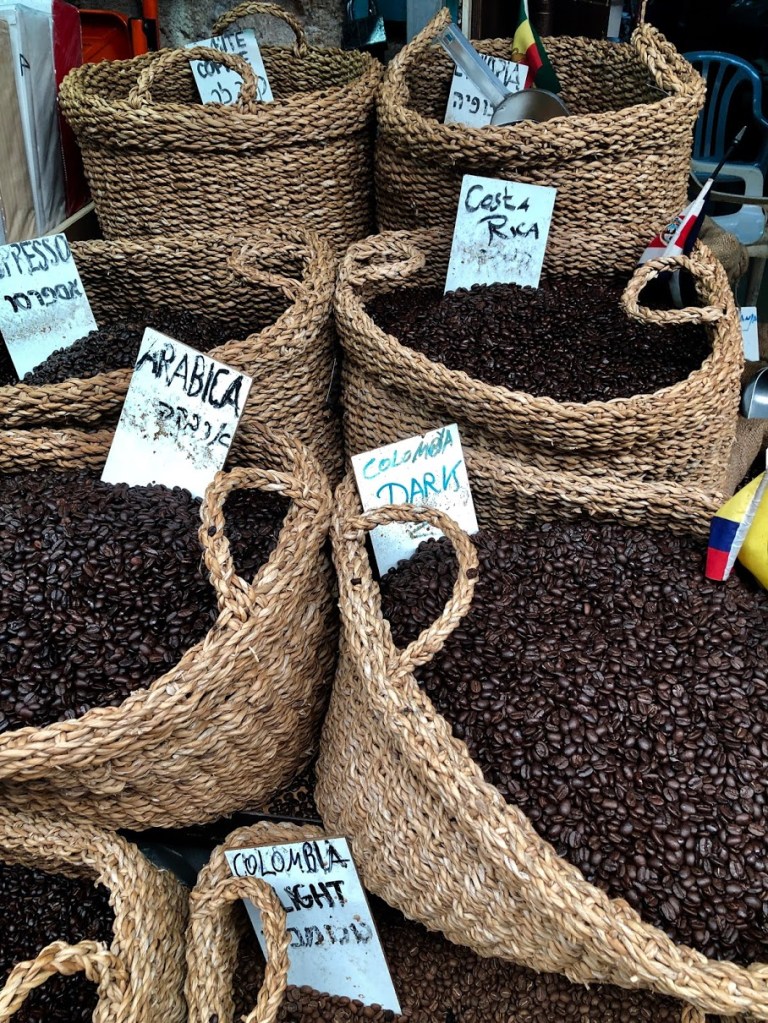
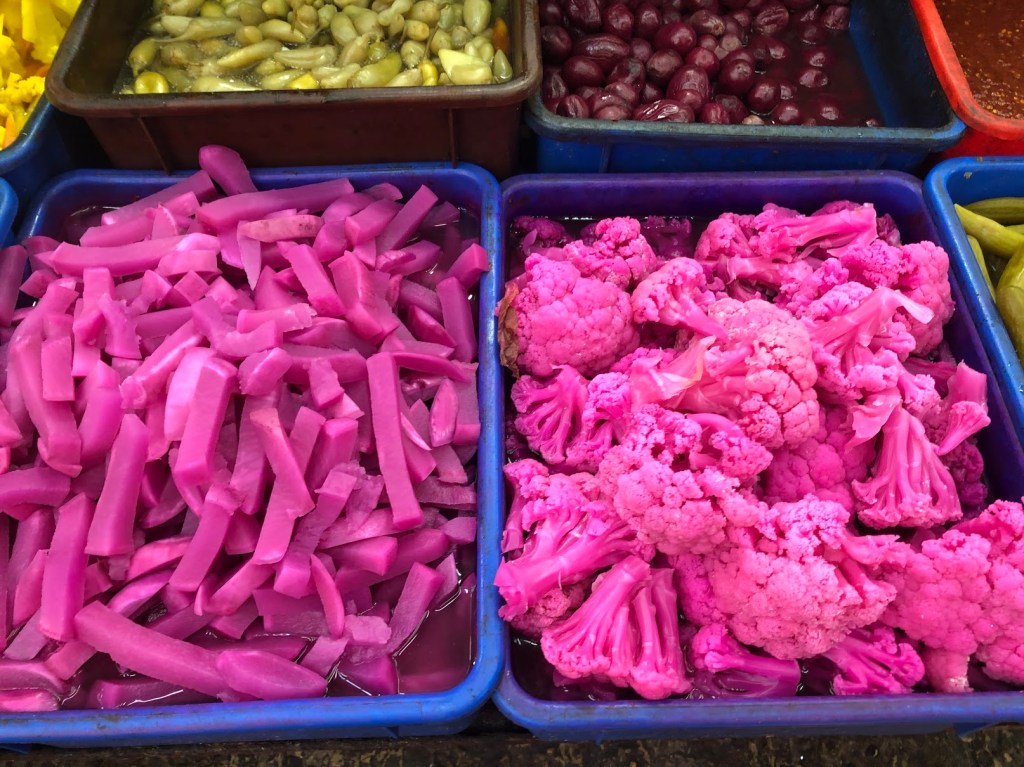
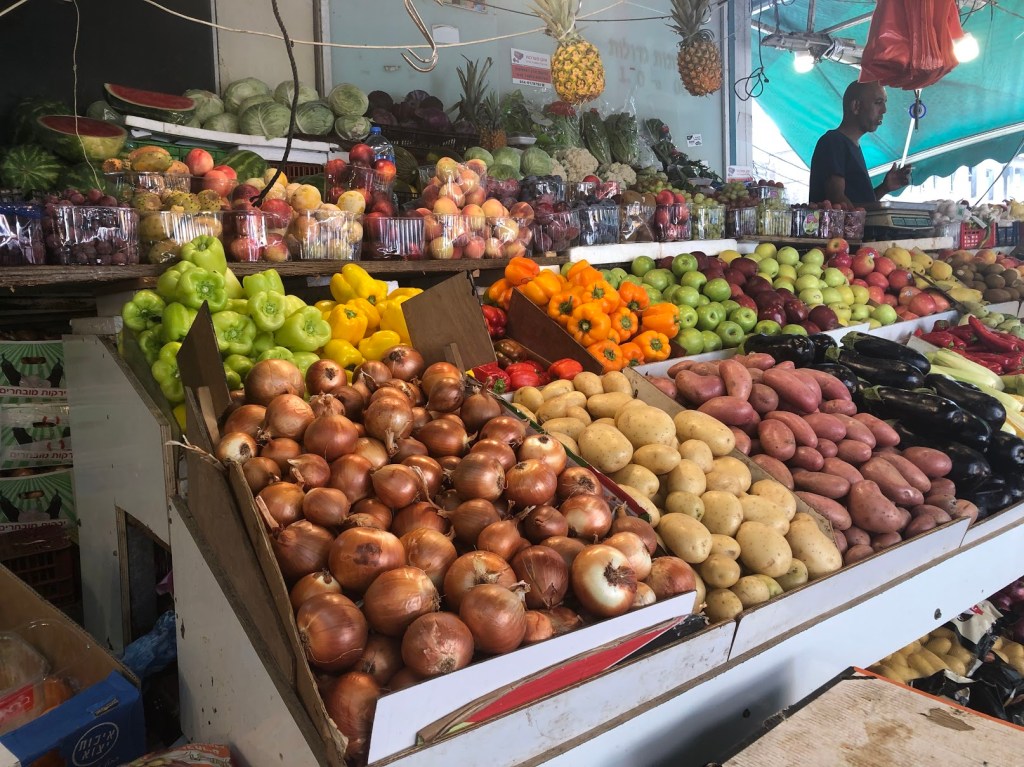
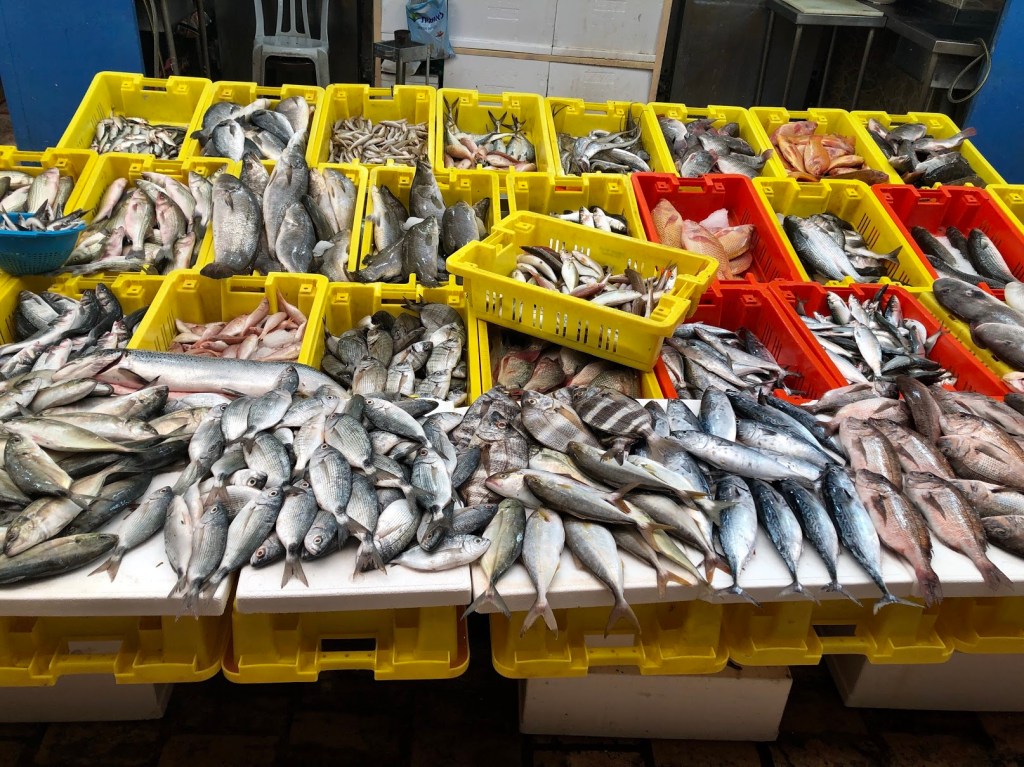
Each market is complete with a few butcher shops and fish stands. The only things I recognize include salmon, shrimp, and octopus. Everything else looks so foreign and there are only hebrew labels to further my confusion. We purchased salmon, not only because it is a favorite of ours, but also because it was the only one we didn’t have to scale ourselves. With an adventurous attitude we decided we should also try something a bit out of our ordinary. we decided on a piece of white fish that didn’t look too intimidating. I still am not certain what we got, maybe a tilapia or a rock fish. Whatever it was, it tasted fresh and delicious. It might be a good idea to learn some hebrew fish names so that we can feel a little more prepared when we step up to the fish market stall.


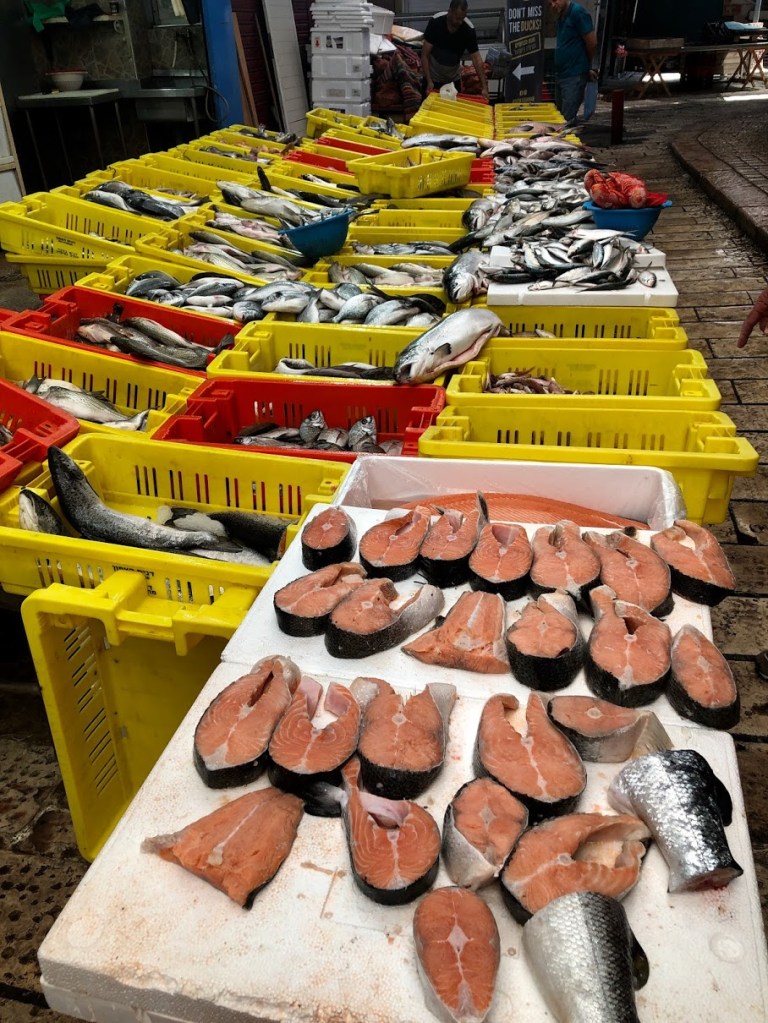
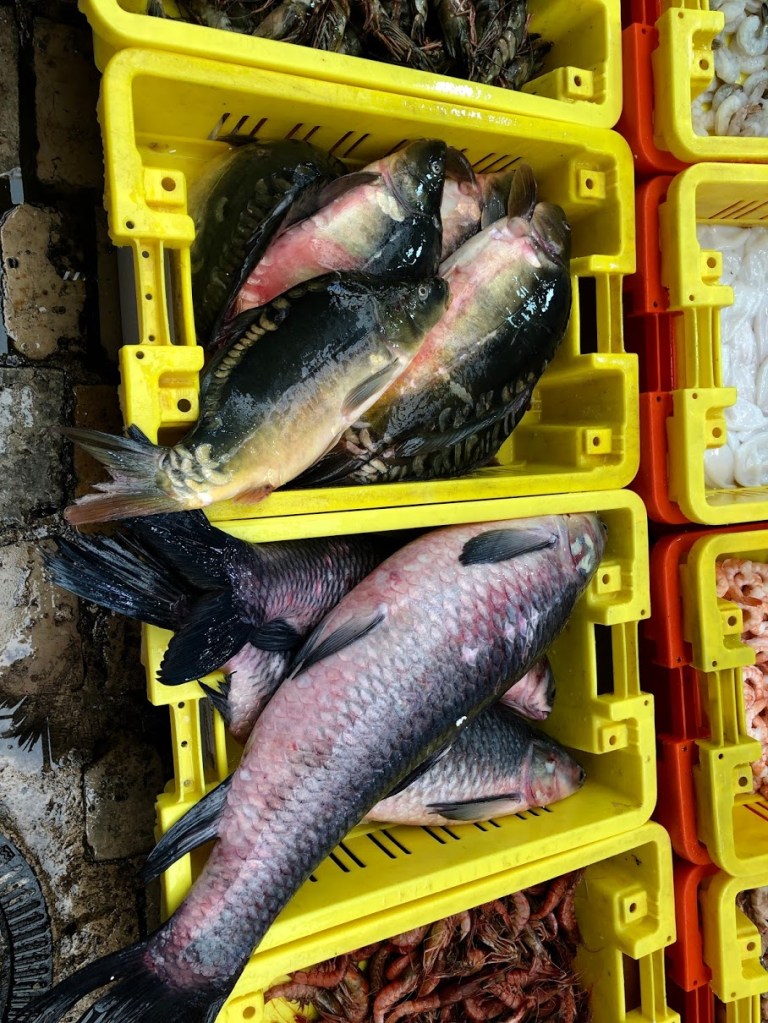
Another notable market here in Haifa is the Arab market in Wadi Nisnas district. It is home to similar fruits and vegetable, spices, olives, but this market also has the best falafel and hummus shops. Each falafel shop gives you a little sample to try as you stroll through, with of course a side of tahini to dip.
The spices in the shuks are vibrant and add to the aromatic experience. The turmeric, sumac, safron, cardomon, and za’atar line the walls of the shuk and allow for a true shuk to cook experience. Za’atar is one of my favorite discoveries that seems to be the go to spice here in Israel. The blend is a mix containing oregano, thyme, marjoram, sumac, sesame seeds, salt and cumin. A wonderful creation that Israeli’s seem to put on everything, chicken, vegetables, and even mixed with olive oil to form a paste.
The shuk in Israel is a staple that I have come to treasure. I love the feeling of walking up and down the stalls, looking at all of the fresh, in season ingredients to choose from. I love picking up a piece of fruit to snack on as I begin my journey into the shuk, and realizing that whatever I just purchased is too good to only get one. I love watching the locals as they scrounge through the fruit for the best piece, and trying to imitate them so that I can get the best of the best too. I finding dinner inspiration and returning home with bags and bags of fresh ingredients that we immediately begin to prepare a meal with. Grocery shopping often seems like a chore, but an excursion to the shuk is nothing like a chore.
I have learned a lot about Israeli cuisine in the quick three weeks that I have been here, and I still seem to learn more and more everyday. One of the biggest cultural things I have learned about during my time here is the religious practice of staying kosher. “What is kosher?” you might ask, or at least that is one of the first questions I asked when I learned I would soon be in Israel. “Food blessed by the Rabbi?” were probably thoughts that came from my brain. In an effort to become more educated on the cultural traditions of so many people around me I tried to gain a better understanding. “Try” is the key word here. There is still quite a bit about Kosher that I am unaware of, so here is a quick sum of what I have learned. Not all Jews in Israel stay kosher, in fact there are a very large number of secular Jews in Israel which surprised me, and not all restaurants are Kosher, specifically the Arab ones. The tradition of kosher pertains to the availability of certain foods, and how they are prepared. This includes the separation of milk and meat and avoiding the non-kosher foods, especially pork and shellfish. The reasoning behind this, to my understanding, dates back to when bacteria was a major issue and the foods labeled “dangerous” became non-kosher. Now those two things seem easy at first to abide by, but the separation of meat and dairy must be adhered to throughout all of the production process. Which includes what the food is prepared on, or next to. There are also some laws that include how an animal is slaughtered, when vegetables are picked, and certain rules to follow during passover. I am still trying to get a better grasp of these, but stay tuned. For now, we have decided it is probably a good idea not to have anyone strictly kosher over for dinner.
I hope you enjoyed learning a little about Israeli cuisine and the culture of this country. I am constantly learning and trying new things, I am finding things that I love, and occasionally some things I don’t. We heard about a french toast type sandwich that is made here that has tuna inside. Not for me. But hey, I guess I will have to give it a shot if it is put in front of me. There is so much to learn, including some Hebrew so we know what we are ordering, but don’t fret we will be experts soon. We are the new owners of an Israeli cookbook that doubles as a learn Hebrew book.
You may have noticed that I almost completely left out the word hummus. Yes, I mentioned it quickly as it is only possible because of my newly discovered and treasured ingredient, tahini. Don’t fret. The hummus here is so great, and has such a rich history, that it deserves its very own blog post. So be patient. I promise it will be worth the wait. Research is currently being conducted and I will soon share the beauty of Israel’s national treasure.
I do miss home, and sometimes I do miss the abundance of peanut butter. Sometimes I miss the ease of the grocery store, its familiarity, and I certainly miss Trader Joes. I was quite excited to learn that the cashiers at Trader Joes asked about me the other day, so it is apparent they miss me too. For now, hummus and tahini will definitely do. Trader Joe can certainly wait while I fully experience the shuk and cook lifestyle. Stay tuned for more adventures with Charlie. Unfortunately, they don’t allow bikes in the markets or restaurants.


 Travels With Charlie